
Softness As Your Super Power
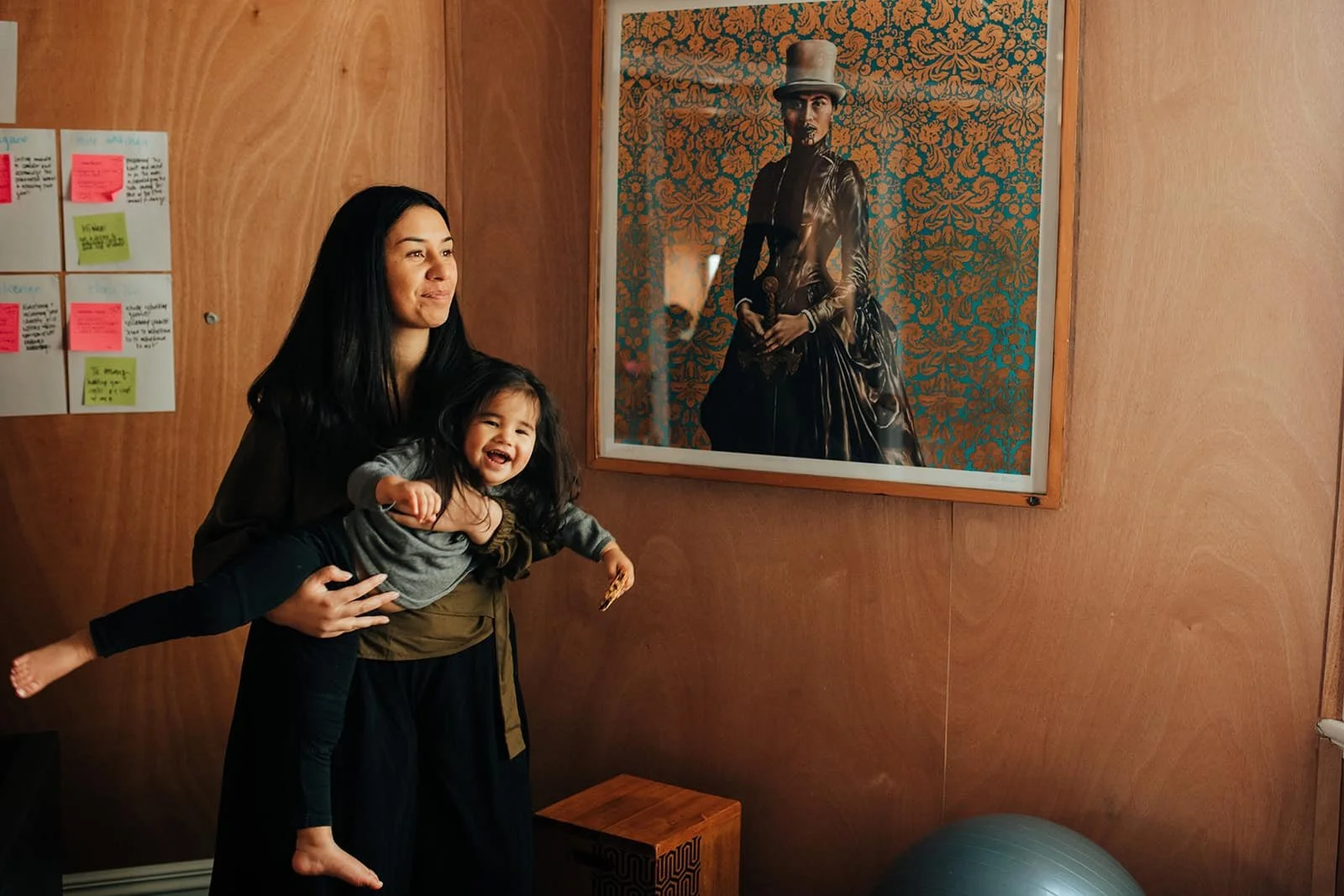
Over time, I’ve come to realise that some of the most effective leaders in governance spaces are not always the loudest, most forceful, or most dominant people in the room.
Often, they are the people who know how to communicate in a way that keeps others open. The people who can challenge without diminishing mana, influence without overpowering, and move difficult conversations forward without escalating tension unnecessarily.
Particularly within community-led, minority, and relationship-based governance environments, I’ve learned that the softer skills of diplomacy, communication, emotional intelligence, timing, and relational leadership are not secondary skills — they are often the difference between momentum and gridlock.
For a long time, I underestimated this part of myself because softness is often misunderstood as weakness.
But increasingly, I’ve come to understand that softness is my super power.
Not because it avoids hard conversations, but because it allows hard conversations to happen in ways that people can actually hear, receive, and move through together.
These are a few reflections I’ve gathered while navigating governance, leadership, facilitation, and community spaces over recent years.
The way something is said matters just as much as what is said
I’ve learned that many governance environments are not lacking intelligence — they’re lacking communication that people can actually hear. The same point delivered with force can create defensiveness. But, delivered with clarity, timing, and diplomacy, it can shift an entire room.
Softness allows truth to land without immediately putting people into defence mode.
You do not need to dominate a room to lead it
Some of the most effective leadership I’ve witnessed has been quiet, observant, strategic, and relational. There is real power in reading the room, understanding timing, and reframing tension.
People support what they feel part of.
Governance spaces can quickly become transactional when pressure is high. I’ve learned that influence grows when people feel heard, respected, informed, and safe to contribute.
This does not mean avoiding challenge or hard conversations. It means creating enough trust and clarity that people can stay engaged even when perspectives differ.Strong relationships often hold more power than strong positions
In many governance environments, especially community-led and minority spaces, relationships are infrastructure.The ability to maintain connection while navigating disagreement is essential.
You can be technically correct and still lose momentum if relationships fracture in the process. I’ve learned that sustainable influence often comes from protecting the kaupapa and the people carrying it.Good governance is not just systems and policy — it is people
Yes, policies matter, structures matter, and compliance matters.
But governance ultimately happens through humans navigating pressure, personalities, values, communication, history, power, and responsibility.
Some of the most difficult challenges I’ve seen in governance spaces were never really about the agenda item itself. They were about communication, trust, identity, fear, ego, or exhaustion.
The leaders who create the most movement are often the ones who know how to hold complexity without escalating it.
If you’re interested in the human side of governance. The part where strategy and softness can co-exist, where communication matters just as much as compliance, and where intuition and relational intelligence are just as important as the data in a report, I’m excited to be offering Leadership & Governance Coaching.
Supporting leaders to navigate influence, communication, diplomacy, difficult conversations, and the realities of holding space in complex governance environments.
Current offerings include:
one-on-one governance leadership mentoring
monthly advisory check-ins
communication and diplomacy coaching
board and leadership sounding-board support
workshop facilitation and governance conversations
If this resonates, I’d genuinely love to kōrero further about how I may be able to support you, your board, or your leadership team.
